Integrated phylogenetic and bioinformatic analysis of rbcl sequences in Origanum species
Article Sidebar
Main Article Content
Abstract
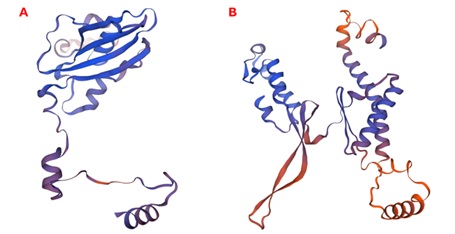
This study presents an integrated phylogenetic and bioinformatic analysis of the chloroplast rbcL gene in different species of the genus Origanum, Lamiaceae family. The aim of the study is to evaluate genetic diversity, evolutionary relationships, and structural characteristics of the corresponding protein. Homologous sequences retrieved from the NCBI database were aligned with MAFFT, trimmed and analyzed using the Maximum Likelihood method based on the Tamura–Nei model in MEGA 12 software. The phylogenetic tree reconstruction identified monophyletic Origanum group clearly separated from the outgroup, but provided limited resolution among the sampled species. Genetic distance analysis demonstrated low molecular divergence among species within the genus. A comprehensive bioinformatic analyses of the rbcL protein included physicochemical characterization, conserved motif identification, phosphorylation site prediction, secondary structure assessment, and three-dimensional modeling. Six conserved motifs associated with structural and functional roles were identified across most species. The analyzed proteins predominantly exhibited hydrophilic properties and high thermostability. Structural predictions and 3D models demonstrated a high degree of conformational conservation. Furthermore, phosphorylation analysis revealed species-specific differences in post-translational modification potential, particularly in serine-rich regions. The study findings provide valuable insights into the molecular evolution, phylogenetic relationships, and functional protein architecture of Origanum species, supporting future phylogenetic, pharmacological, and biotechnological investigations.
Article Details

This work is licensed under a Creative Commons Attribution 4.0 International License.