Molecular characterization of diabetic foot Staphylococcus aureus and inhibitory effects of Lactobacillus cell-free supernatant
Article Sidebar
Main Article Content
Abstract
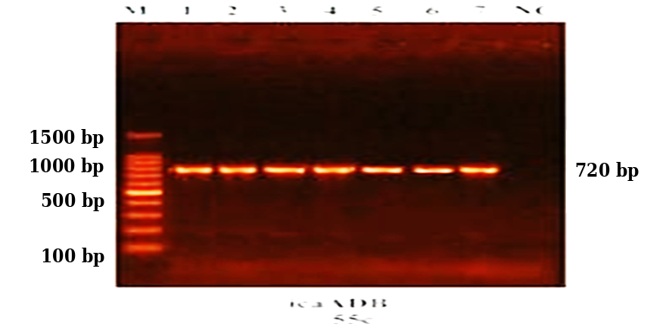
Methicillin-resistant Staphylococcus aureus (MRSA) is a major cause of diabetic foot ulcers (DFU) infections. This study investigated the molecular characteristics, virulence factors, biofilm formation, antimicrobial resistance, and the antibacterial and antibiofilm activities of Lactobacillus spp. cell-free supernatants (CFS) against selected Staphylococcus aureus isolates. A total of 130 DFU samples were collected from Baqubah City, Iraq. S. aureus isolates were identified using biochemical tests, CHROMagar, and the VITEK 2 system. Virulence factors, biofilm formation, antimicrobial susceptibility, and resistance genes (mecA, icaA, pvl, and fnbA) were evaluated. The antibacterial and antibiofilm activities of Lactobacillus spp. CFS were evaluated against selected biofilm-producing S. aureus isolates. Of the 130 samples, 121 (93.1%) showed bacterial growth, with 30 (23.1%) identified as S. aureus. Phenotypic testing revealed high virulence: 100% produced hemolysin (83.3% beta-hemolysis and 16.7% gamma-hemolysis), 66.7% coagulase, 63.3% DNase, and 43.3% gelatinase. MBL and ESBL production were remarkably low (3.3%each). Overall, 93.3% (28/30) of the S. aureus isolates demonstrated biofilm-forming capacity, including 12 strong biofilm producers (40.0%) and 16 moderate biofilm producers (53.3%), while two isolates (6.7%) were classified as non-biofilm producers. Disk-diffusion testing showed apparent resistance to teicoplanin in all isolates and 100% resistance to nitrofurantoin, with high resistance to clarithromycin (80%) and tetracycline (60%). Disk-diffusion screening showed high apparent resistance to teicoplanin; however, these glycopeptide susceptibility findings were discordant with subsequent VITEK 2 results and were therefore interpreted cautiously. Among the five selected S. aureus isolates examined by PCR, mecA, icaA, and pvl were detected in all five isolates (5/5, 100%), whereas fnbA was detected in three isolates (3/5, 60%). Treatment with Lactobacillus spp. CFS demonstrated antibacterial activity and reduced biofilm formation by up to 56%.
Article Details

This work is licensed under a Creative Commons Attribution 4.0 International License.